
Lands Worth Protecting
The future of Lake Clark is brighter than gold. We stand united against the Johnson Tract Mine.
A Mine in a National Park?
A Vital Ecosystem at Risk





What's at Stake?
Irreplaceable Wildlife Habitat
Birds, Bears and Belugas
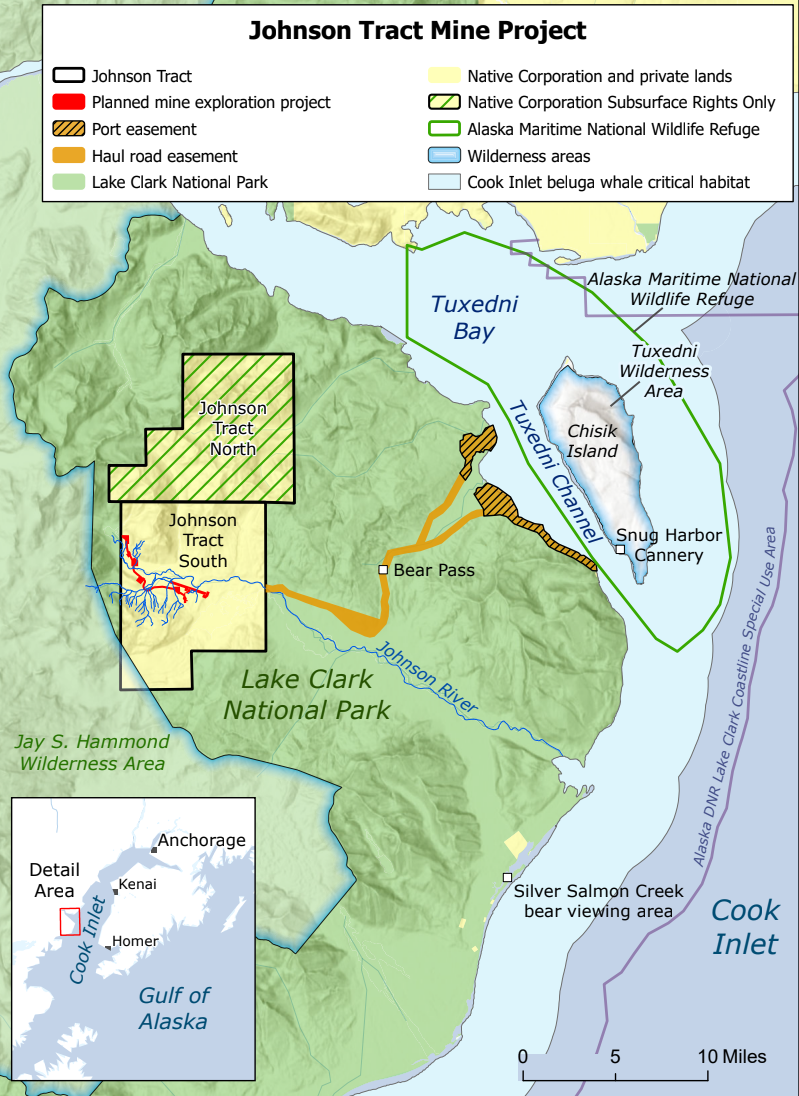
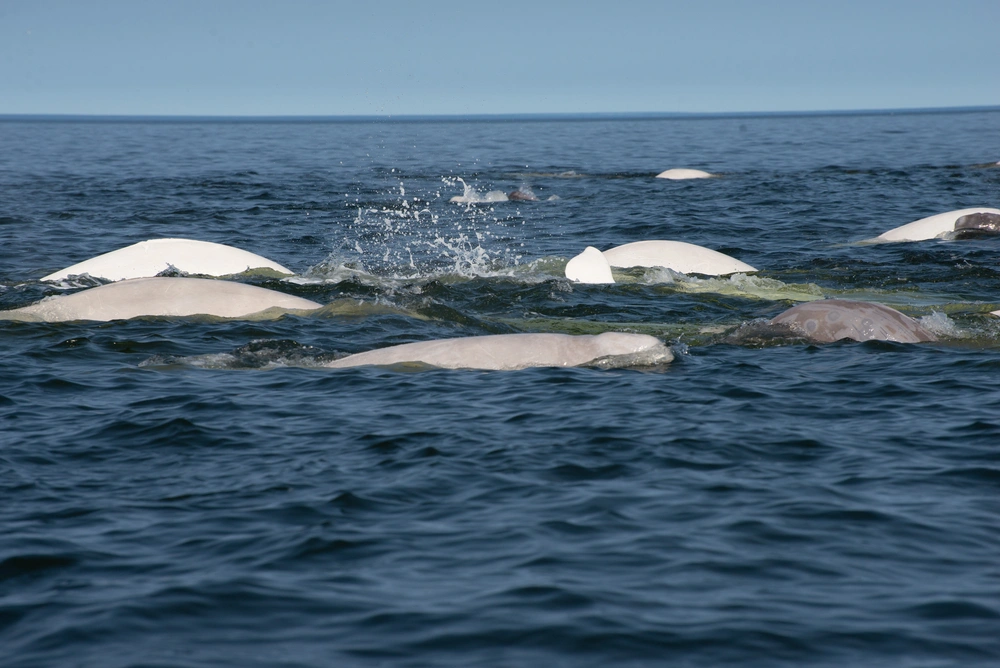
- Tuxedni Bay, the mine’s proposed port location is the only known winter foraging habitat for endangered Cook Inlet beluga whales. With only ~300 remaining, this port could be the nail in the coffin for these beloved whales. Learn More.
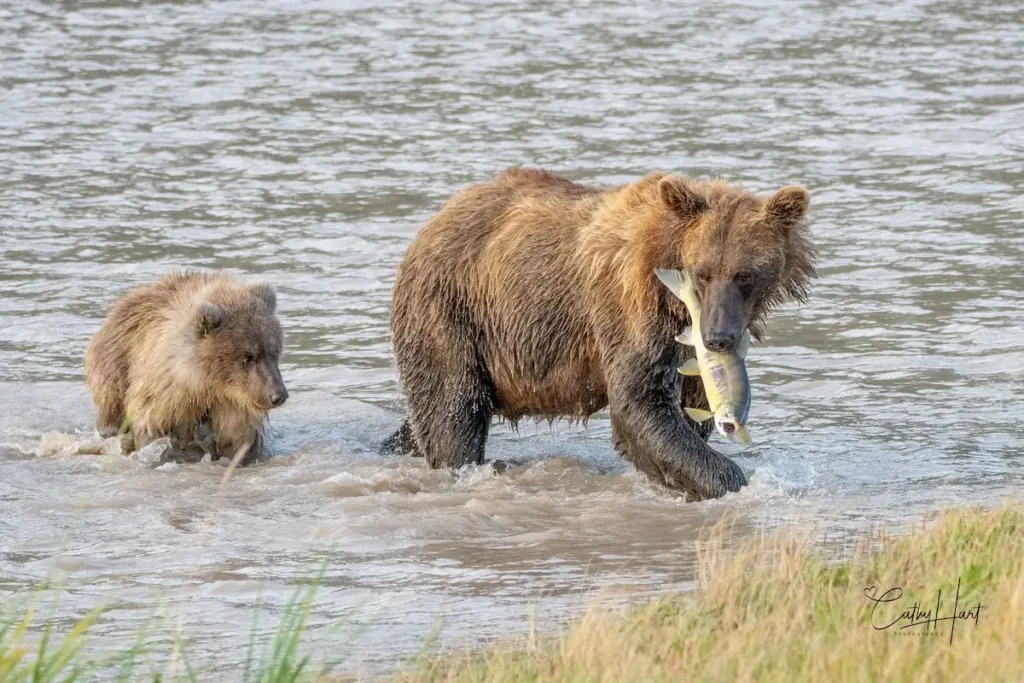
- This coastal region of Lake Clark National Park is host to one of the most dense populations of brown bears in the world. Learn More.
- Shorebird and seabird bird populations are rapidly declining globally, but the healthy habitat of Tuxedni Bay marks it one of the most significant migration hubs in the Western Hemisphere. Chisik and Duck Islands sit adjacent to the proposed port site and host the largest seabird nesting grounds in Cook Inlet. Learn More.
A Lasting Economy vs. a 7-Year Mine
The region already supports a strong, sustainable economy that depends on healthy ecosystems. The mine puts that at risk for a short-term return.
- Bear viewing has spurred a robust local ecotourism economy that generates over $50 million in annual sales and hundreds of annual jobs for charter pilots, guides and lodge operators.
- The Johnson Tract Mine is being proposed as a 7 year project, supporting less than 175 jobs during peak production (first 3 years). Many of these jobs are specialized and will be imported from outside. Learn More.
- Industrial activity erodes trust between bears and people, fragments and pollutes habitat, and diminishes the wilderness experience that tourism relies on.
- Just like the ore that will be shipped outside for refining and sold to foreign markets, most of the wealth this mine generates will flow out of Alaska and into the pockets of the mining company’s major investors, hedge fund managers like Black Rock and Vanguard. Learn More.
- This proposal risks a proven, renewable economy for a speculative, short-term project.
Food, Culture, and Community
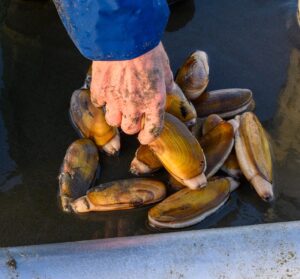
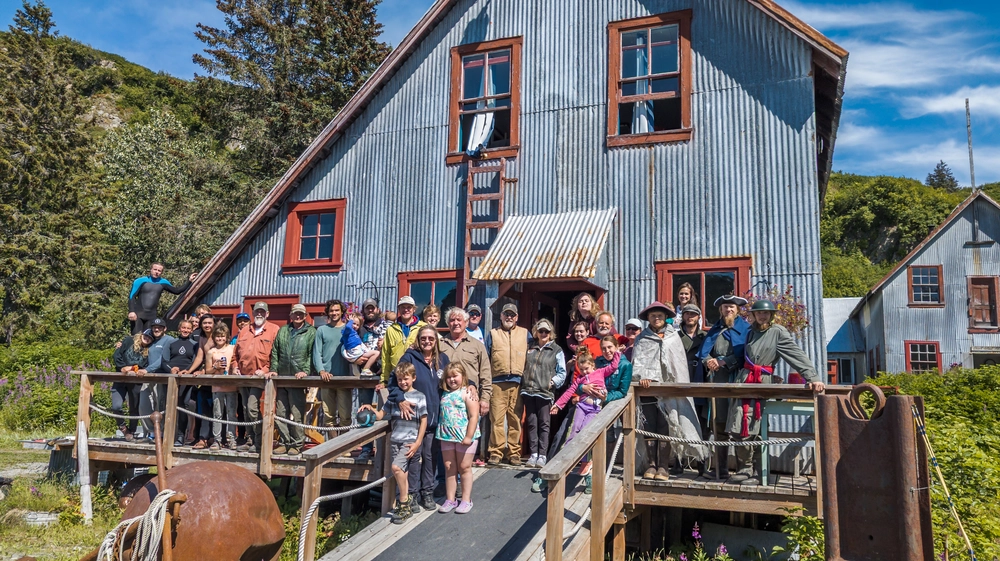
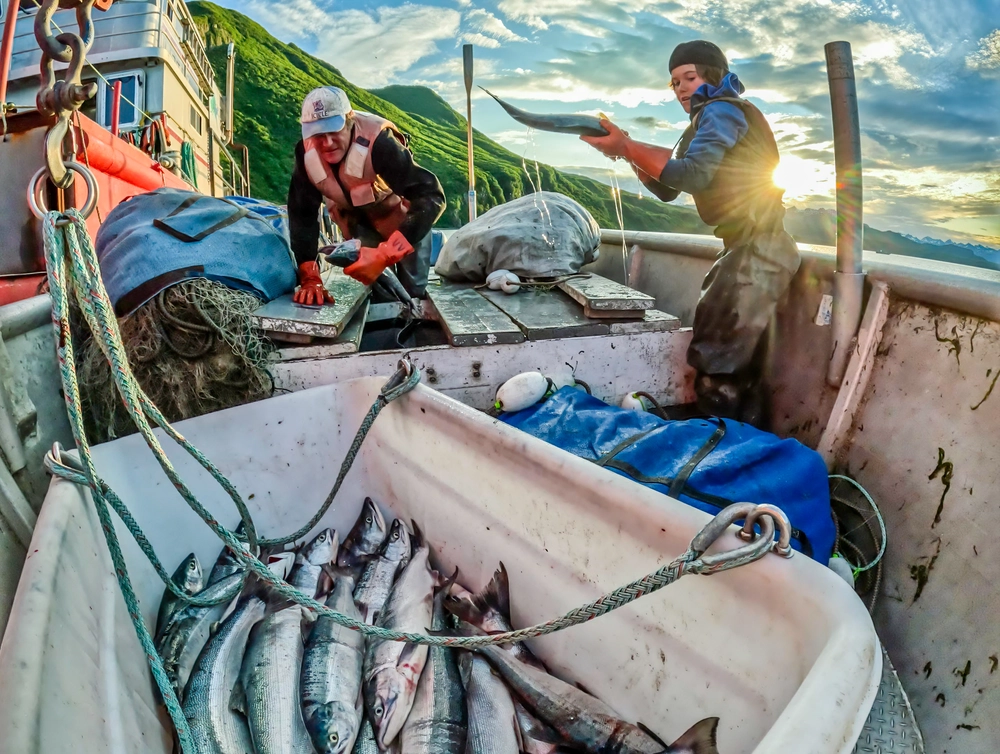
This is not just an environmental issue. It is about protecting food systems, culture, and community health dependent on clean water and directly tied to the ecosystems Johnson Tract Mine would degrade. Tuxedni Bay and surrounding area host razor clam beds and salmon runs important to wildlife, Alaska Native communities and long standing commercial and subsistence fishing families. Learn more.
- Tribal communities local fisherpeople have raised concerns about long-term impacts Learn more
- Contamination from mining, including acid mine drainage and heavy metals, can persist long after closure
- These contaminants move through the food web, impacting both ecosystems and human health
- Once subsistence resources are degraded or lost, they are difficult or impossible to restore. Alaskans already know the hurt of losing beloved fisheries.
Corporate Accountability
Shareholder Transparency
- Corporate decision-makers should be accountable to the communities and shareholders they represent, and the wildlife and resources they stand to impact.
- CIRI shareholders deserve transparent economic projections, full risk disclosure, a clear explanation of long-term liabilities, and an honest accounting of tradeoffs.
- CIRI is a billion-dollar corporation, but is only guaranteed 10% of this short-term project’s profits. For a corporation of CIRI’s size, this is not a financial necessity. Learn more.
- Corporate leadership should prioritize long-term stewardship over short-term extraction.
The Win-Win
CIRI can pursue other options than mining to generate income from this land. A for-profit conservation alternative is a realistic and lucrative path forward. Just as Native Corporations in the Bristol Bay watershed have done, CIRI can make a deal to put a conservation easement on the land, forgoing the option to mine, but retaining ownership while profiting from conservation investors, rather than mining corporations. It’s possible that a deal such as this could generate more income than the Johnson Tract Mine for CIRI. This is a win-win CIRI can be proud to facilitate.
The future of this region is already here. It is sustainable, valuable, and worth protecting.
Show Your Support!
Help us protect Alaska’s incredible lands and unique wildlife.